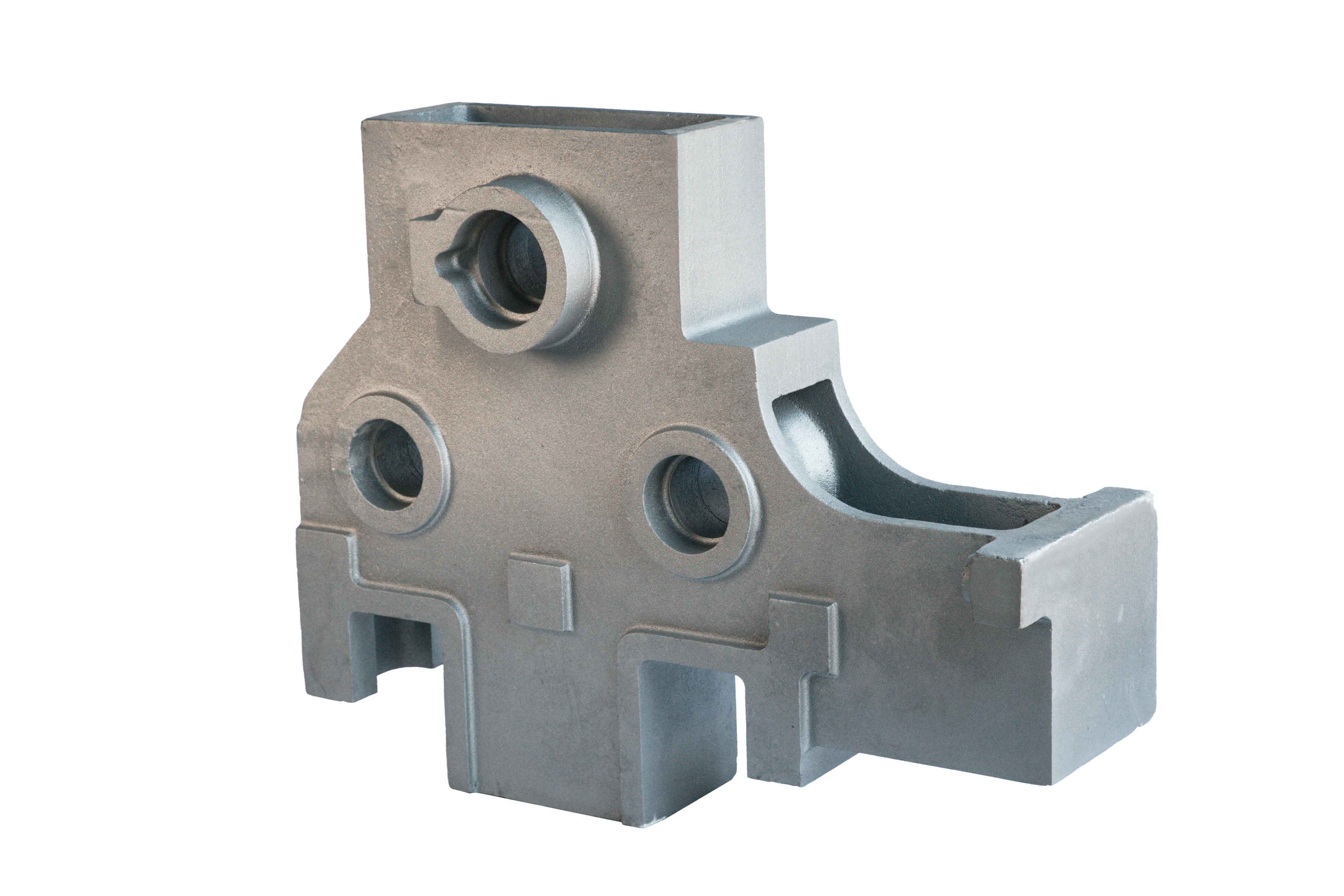
Selecting the right casting material is one of the most critical decisions in any manufacturing project. The wrong choice can lead to premature failure, excessive costs, or poor performance. This guide walks you through the key factors to consider.
Understanding Your Application Requirements
Before diving into material options, clearly define your requirements:
- Mechanical loads — What forces will the part experience? Static, dynamic, or impact?
- Operating environment — Temperature range, corrosive media, UV exposure?
- Dimensional tolerances — How precise does the final part need to be?
- Production volume — Prototype, small batch, or mass production?
Common Casting Materials Compared
Gray Iron (HT200–HT300)
Best for: Machine bases, engine blocks, brake components
Gray iron excels in vibration damping and machinability. Its graphite flake structure absorbs vibrations, making it ideal for machine tool bases. However, it has limited tensile strength and is brittle under impact.
Ductile Iron (QT450–QT600)
Best for: Automotive parts, gearboxes, crankshafts
Ductile iron combines the castability of gray iron with significantly better mechanical properties. The spheroidal graphite structure provides ductility and impact resistance that gray iron cannot match.
Carbon Steel (ZG230–ZG270)
Best for: Structural components, valves, pump housings
When you need weldability and higher strength than iron, carbon steel is the go-to choice. It offers a good balance of strength, toughness, and cost-effectiveness.
Alloy Steel (ZG35CrMo, 4140)
Best for: High-stress parts, mining equipment, power generation
For demanding applications where standard carbon steel falls short, alloy steels with chromium, molybdenum, or nickel additions provide enhanced hardness, wear resistance, and high-temperature performance.
Stainless Steel (304, 316L)
Best for: Food processing, chemical equipment, marine applications
When corrosion resistance is non-negotiable, stainless steel is the answer. Higher material cost is offset by longer service life and reduced maintenance.
Decision Matrix
| Factor | Gray Iron | Ductile Iron | Carbon Steel | Alloy Steel | Stainless Steel | |--------|-----------|--------------|--------------|-------------|-----------------| | Cost | ★★★★★ | ★★★★ | ★★★ | ★★ | ★ | | Strength | ★★ | ★★★★ | ★★★ | ★★★★★ | ★★★ | | Corrosion Resistance | ★★ | ★★ | ★★ | ★★★ | ★★★★★ | | Machinability | ★★★★★ | ★★★★ | ★★★ | ★★ | ★★ | | Weldability | ★ | ★★ | ★★★★★ | ★★★ | ★★★★ |
Key Takeaways
- Start with your application requirements, not the material
- Consider total lifecycle cost, not just material price
- Consult with your foundry early — we can suggest alternatives you may not have considered
- Request sample castings for critical applications
Need help selecting the right material? Contact our engineering team for a free consultation.