Our Process
Lost Foam Casting — 8 Steps, Every Step Strictly Controlled
Lost Foam Casting (LFC) is an advanced near-net-shape casting technology developed in recent decades.
What is Lost Foam Casting?
Lost Foam Casting (LFC), also known as Full Mold Casting or Evaporative Pattern Casting, is a near-net-shape casting process developed in recent decades.
The principle is simple:
Use foam plastic to create a pattern identical to the final casting. Coat it with refractory material, embed it in dry sand, vibrate to compact, then pour in molten metal. Under high heat, the foam pattern instantly vaporizes and disappears. The molten metal occupies the space where the foam was, and after cooling and solidification, you get the casting.
One sentence summary:
The foam "disappears" and the casting is "born" — that's why it's called Lost Foam.
Our Process
Lost Foam Casting — 8 Steps to Perfect Castings
One Pattern. No Cores. No Parting Lines. Lost foam casting uses a foam pattern that vaporizes when molten metal is poured, leaving a perfect replica of your part.
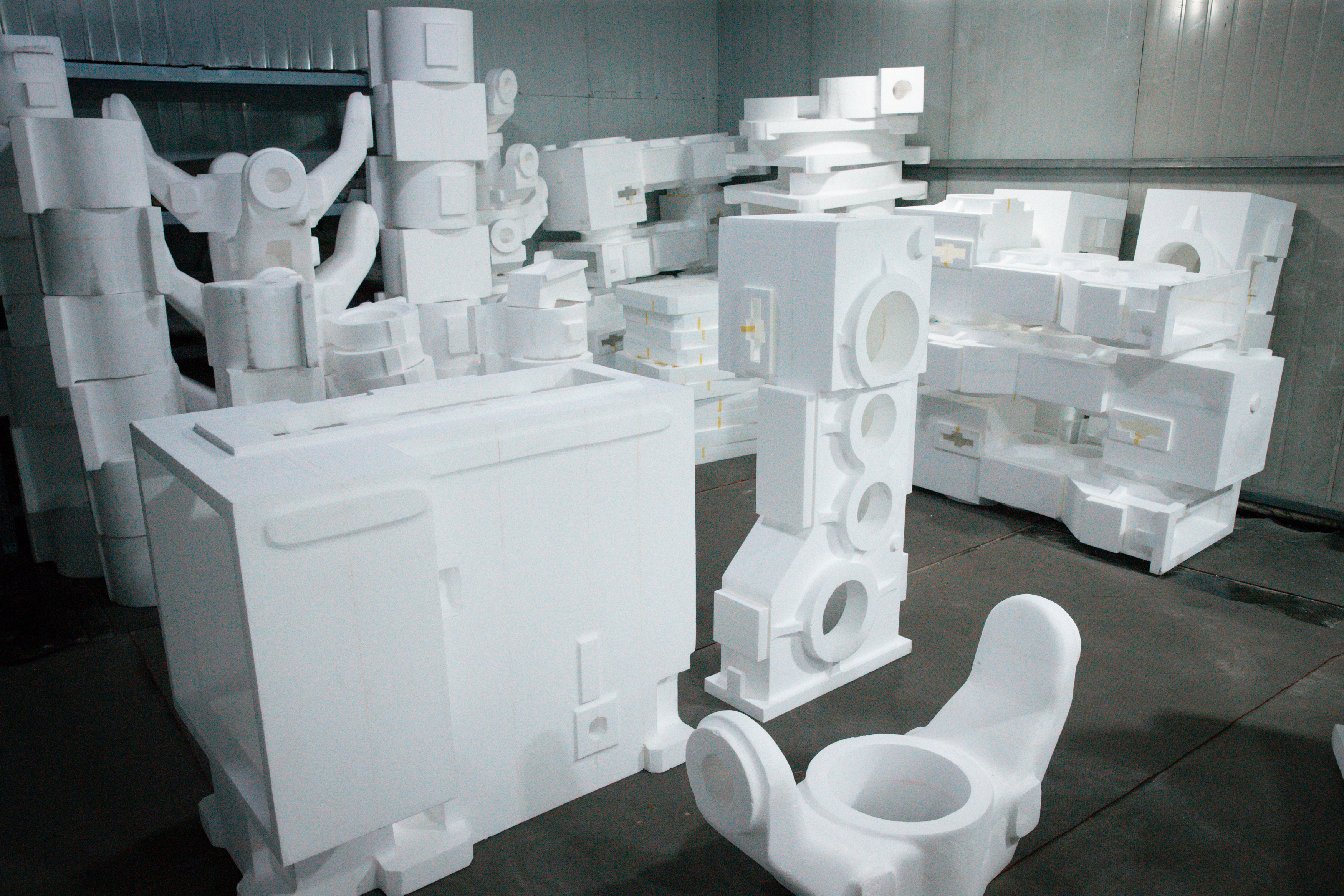
Foam Pattern Making
Use EPS/STMMA foam material, precision machining per drawings, 100% first-piece inspection for dimensions and surface quality, accuracy up to ±0.1mm.
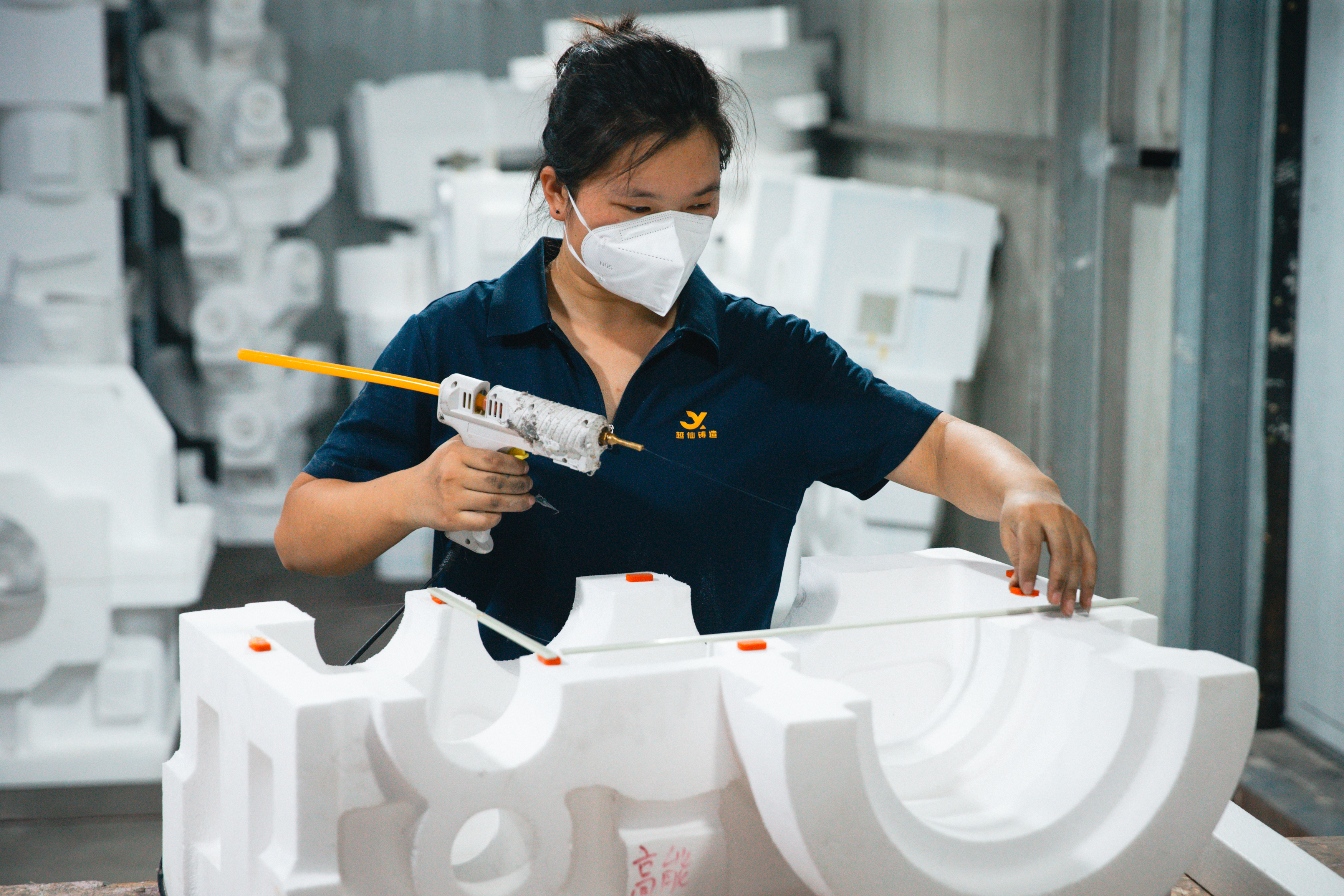
Pattern Assembly
Use specialized hot-melt adhesive to bond and assemble pattern clusters, with optimized gating and riser system design to ensure stable filling.
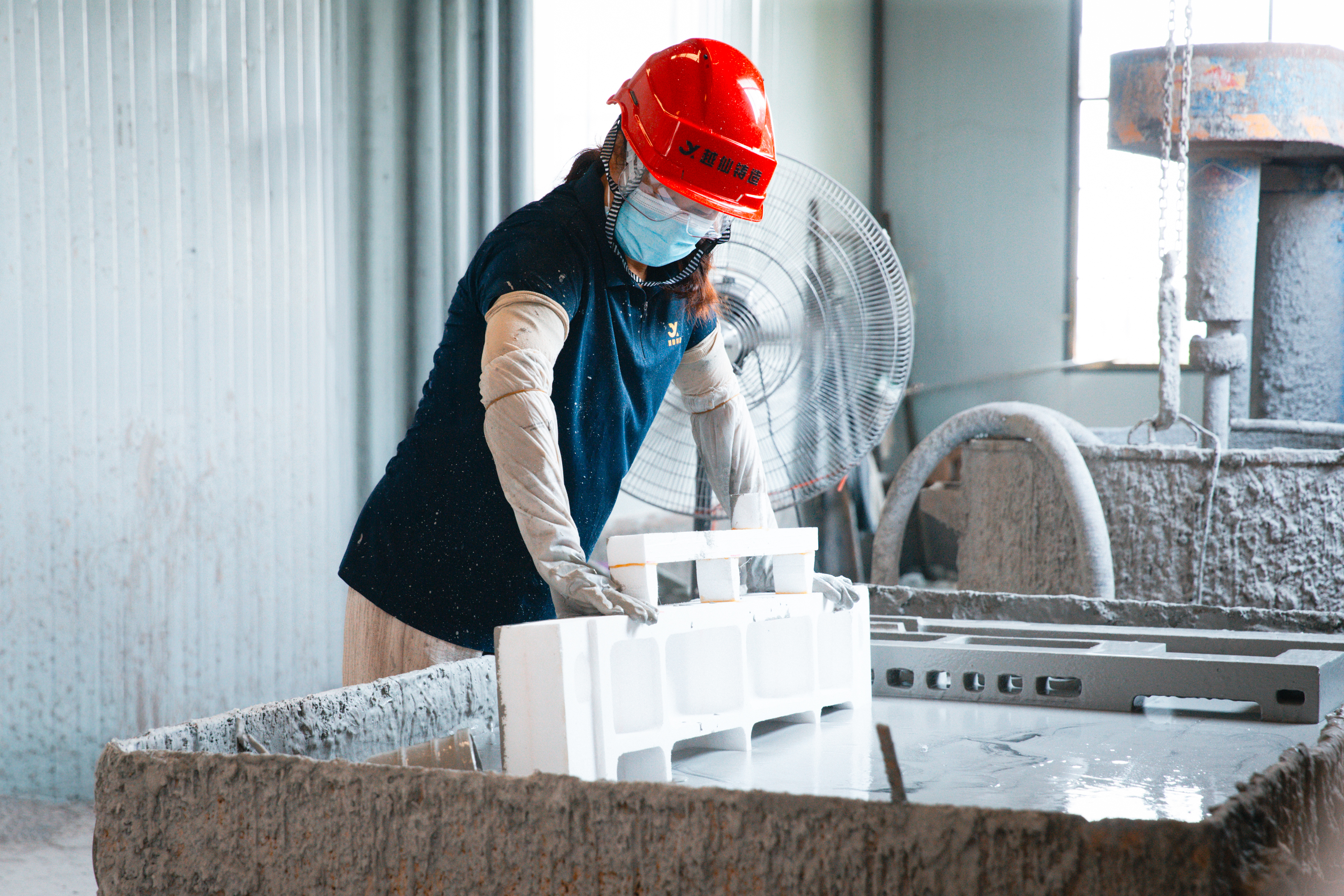
Coating Application
Apply zircon refractory coating by brushing/dipping, 2-3 layers with staged constant-temperature drying, balancing strength and permeability.
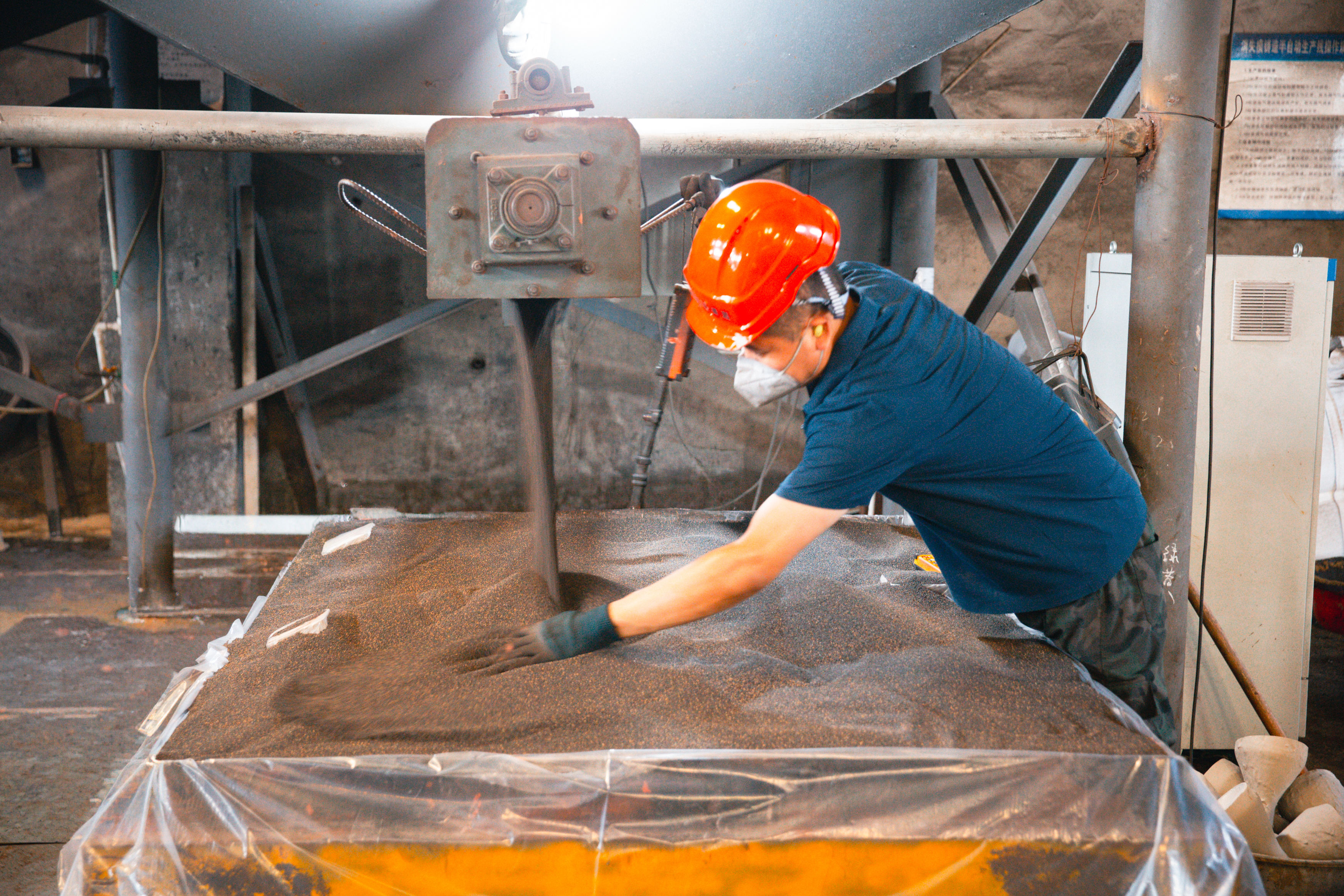
Sand Molding & Compaction
Fill with 80-100 mesh ceramsite sand, 3D vibration table multi-angle compaction, rounded grain shape with good permeability, ensuring every corner is filled.
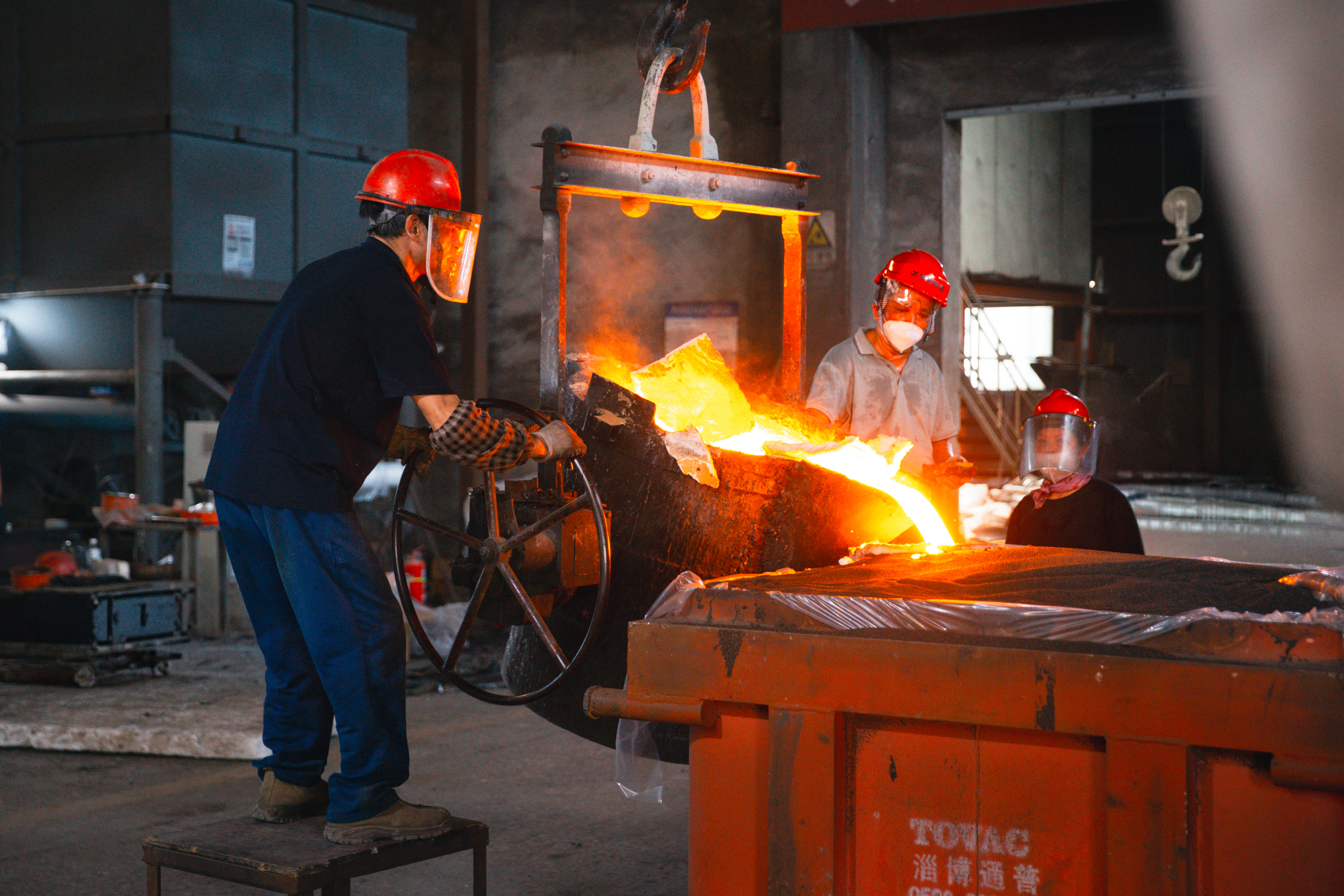
Vacuum Pouring
Vacuum degree controlled at -0.06~-0.08MPa, precise pouring temperature control, foam instantly vaporizes with no residue.
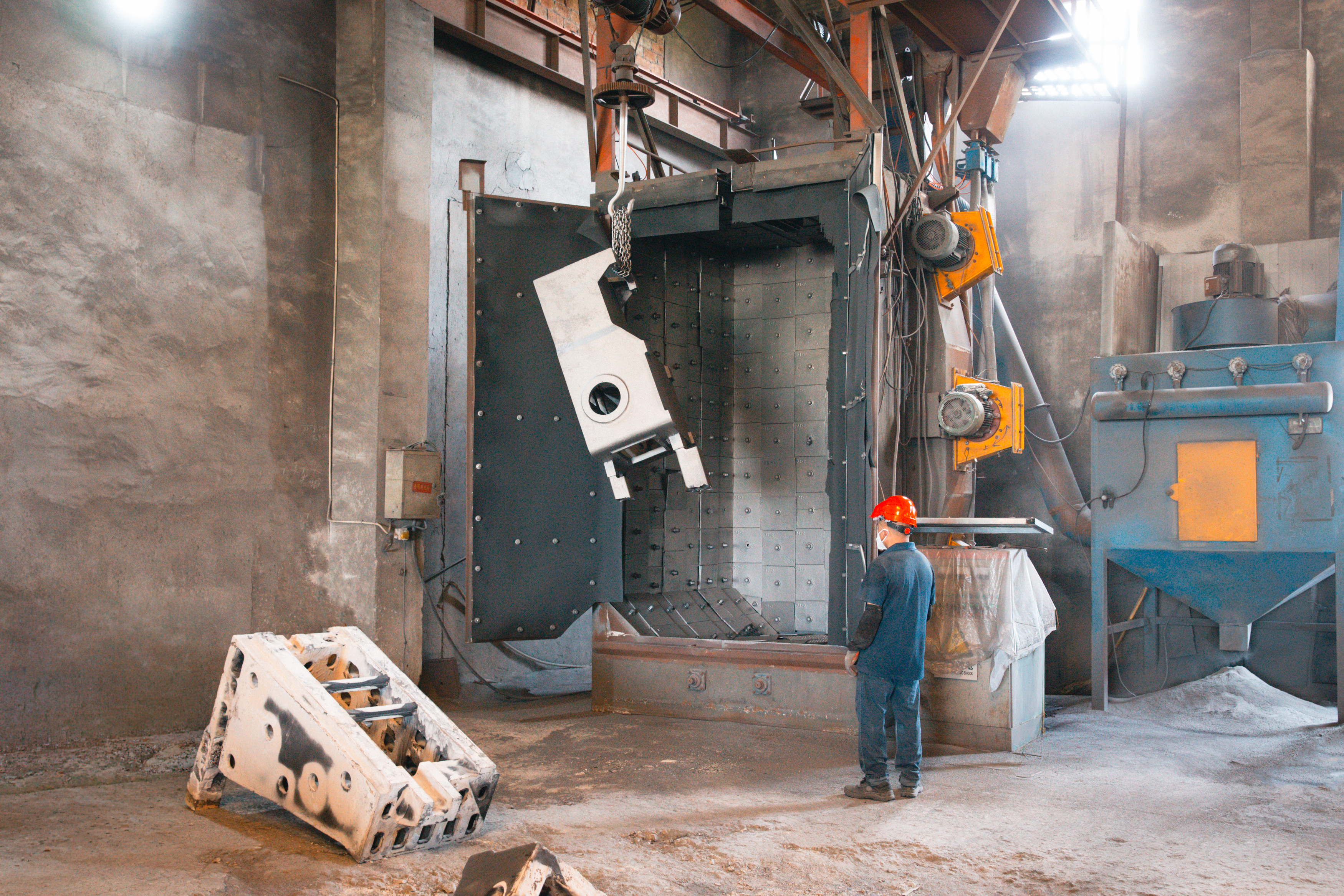
Shakeout & Cleaning
Vibration shakeout machine for rapid sand removal, remove gates and risers, initial cleaning of surface sand and burnt-on sand.
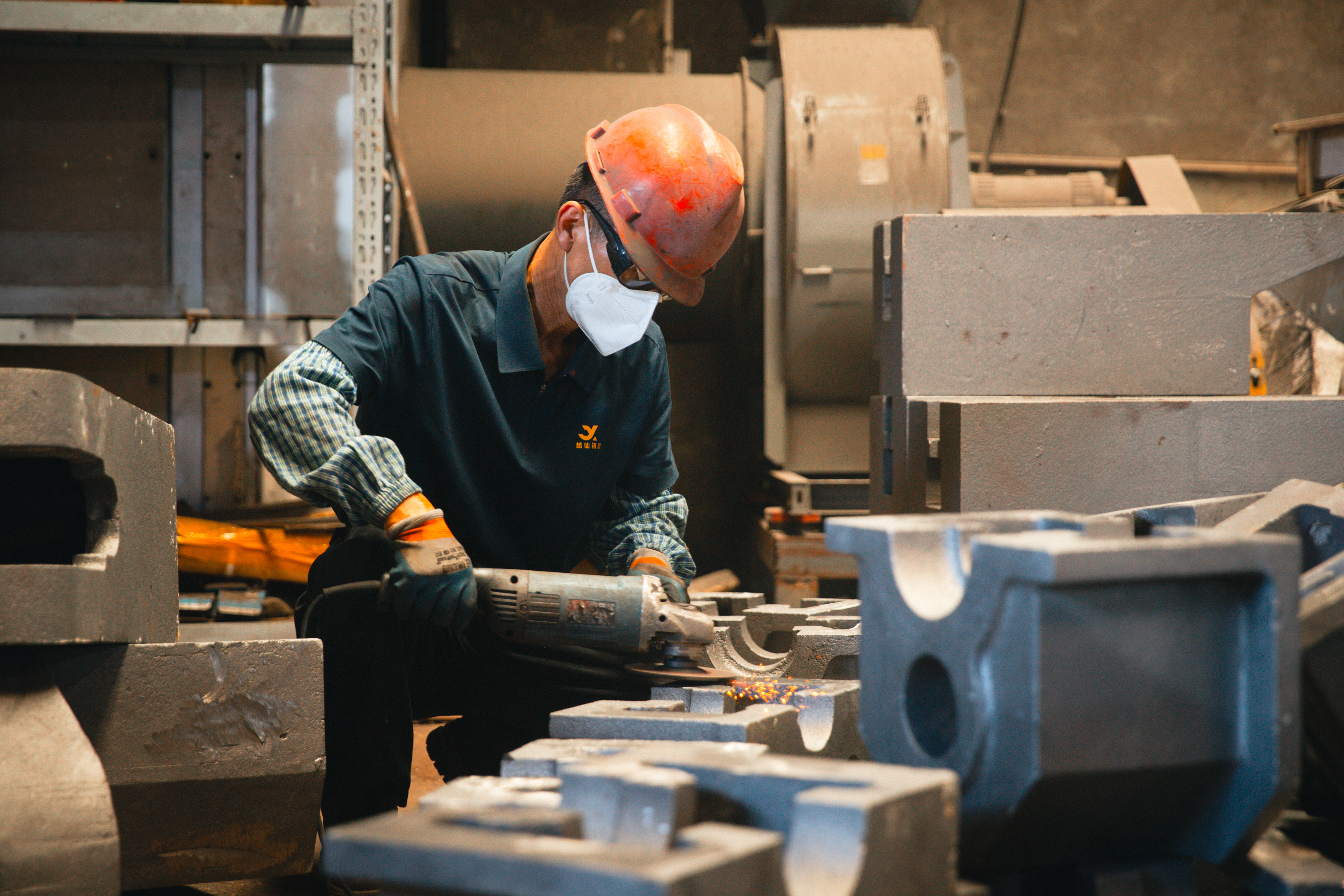
Post-Processing & Inspection
Shot blasting/grinding finishing, spectrometer material analysis, dimensional inspection, hardness testing, multiple inspections before delivery.
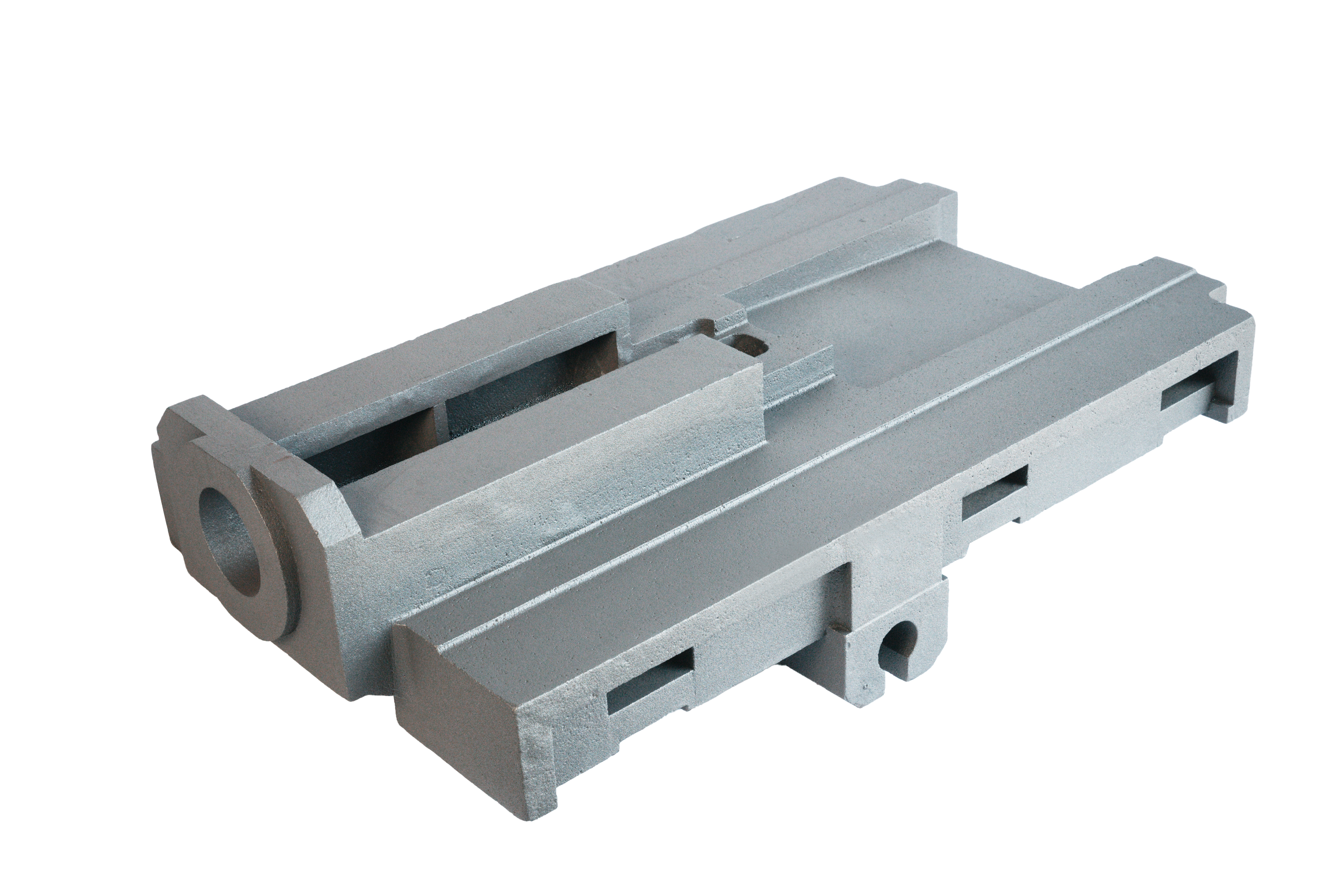
Packaging & Shipping
Custom packaging solutions per product requirements, fumigation-free wooden cases/pallets/rust prevention, meeting export transportation standards.
Lost Foam vs. Traditional Sand Casting
Same casting process — why is Lost Foam better suited for you?
| Criteria | Lost Foam | Traditional Sand |
|---|---|---|
| Pattern Cost | Low — EPS foam patterns made by CNC carving | High — expensive wooden or metal patterns required |
| Internal Cavities | Easy — foam defines everything, no cores needed | Difficult — requires multiple sand cores, adds cost |
| Surface Finish | Smooth (Ra 12.5–25), fewer burrs | Rougher (Ra 25–50), parting lines visible |
| Parting Lines | None — seamless surface | Yes — requires finishing |
| Machining Allowance | 1–3 mm | 3–6 mm |
| Minimum Order | 1 piece — no minimum | Usually 50–100+ pieces |
| Design Changes | Fast — modify the foam pattern | Expensive — rework the tooling |
Common Defect Control
With 15+ years of lost foam experience, we have solutions for common issues.
Carbon Defect Control
Optimize coating formula, control foam density, adjust pouring parameters — effectively reduce carbon pickup on ductile iron parts.
Deformation Control
Reasonable gating system design, insulation control, shakeout timing — reduce deformation on heavy sections.
Porosity Control
Control coating permeability, vacuum parameters, pouring speed — minimize gas porosity defects.
Slag Inclusion Control
Proper gating system design with slag traps — reduce slag inclusions in castings.